
Doing hard things is scary and we make it mean something’s gone wrong.
Could Fear be a sign you’re learning, growing, and right where you need to be?
Here’s a grounded way to build courage, confidence, and self-trust.
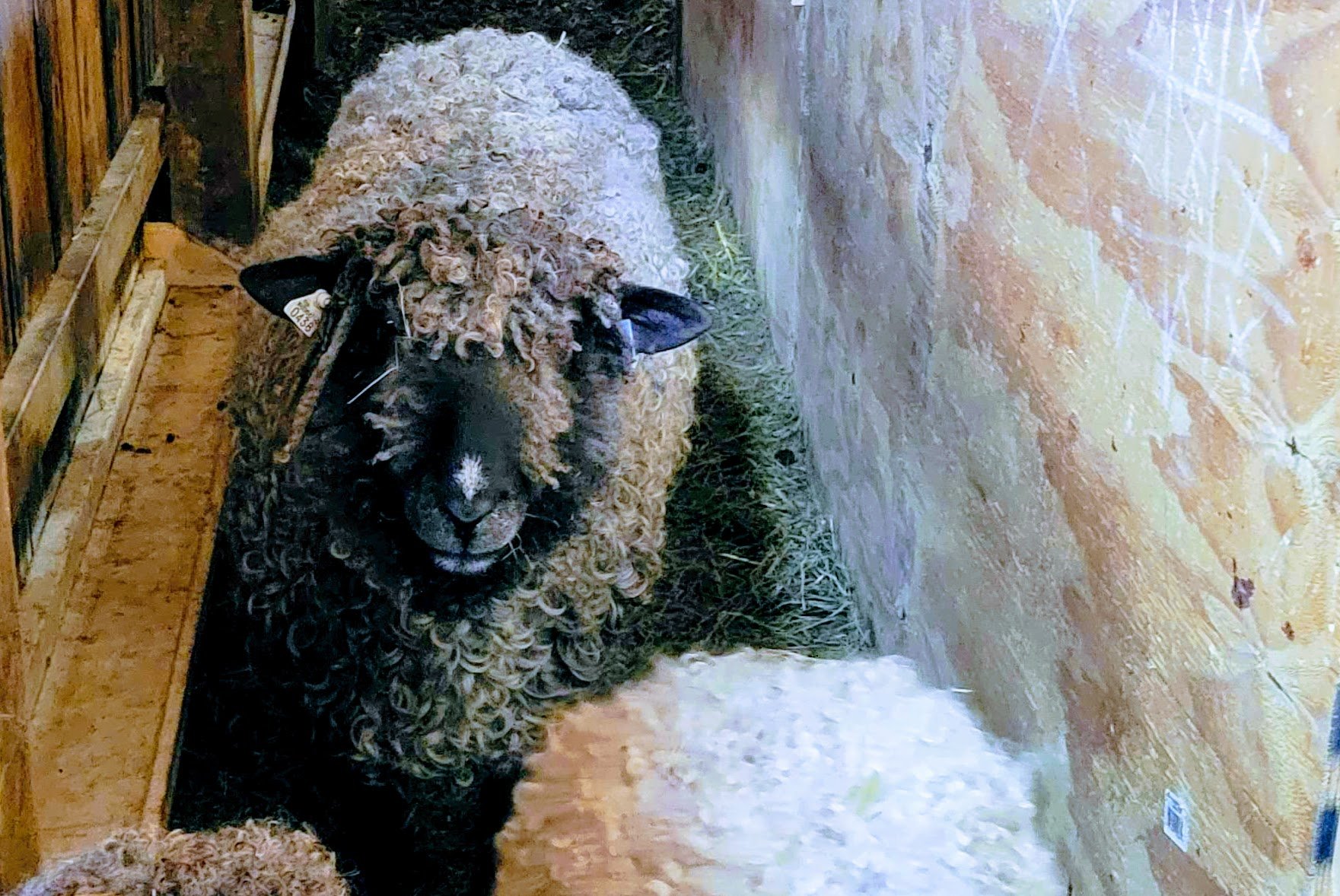
free lamb recipes:
Pasture's Bounty Lamb Cooking Guide. How to cook Lamb fresh from your neighbor's farm
5 Recipe Guide Including Succulent Lamb Shank Curry
Are you stuck in fear when you’re doing hard things?
You’re not alone.
It’s normal to question yourself and assume you’ve made a wrong turn.
What if fear isn’t a sign you’re failing—but an invitation to trust yourself, model courage for others, and build real confidence?
Let’s reframe this together. Fear is data—feedback and information.
It’s our job to assess whether real danger exists or whether our well-intentioned brain is saving us from what it perceives as a threat just because it’s new.
Funny as it sounds, we often can’t tell the difference.
Fear isn’t weakness. It can mean you’re doing something brave.
Here’s how it works. First, name it and normalize it:
Of course I’m scared about moving a 1600-pound bull—but it still needs to be done.
Second, most hard and scary things—like moving livestock—aren’t emergencies.
They’re thresholds, and the urge to stop often shows up right before growth.
Doing hard things can feel scary, but fear doesn’t mean you’re doing it wrong. This reflection explores courage, confidence, and self-trust—revealing how fear can become a teacher in work, leadership, and daily life.
‘When I arrived, he was excited, sweaty, and trying to breed anything standing still.’
Curiosity, Courage, and Confidence: Doing Hard Things Without Something Being “Wrong”
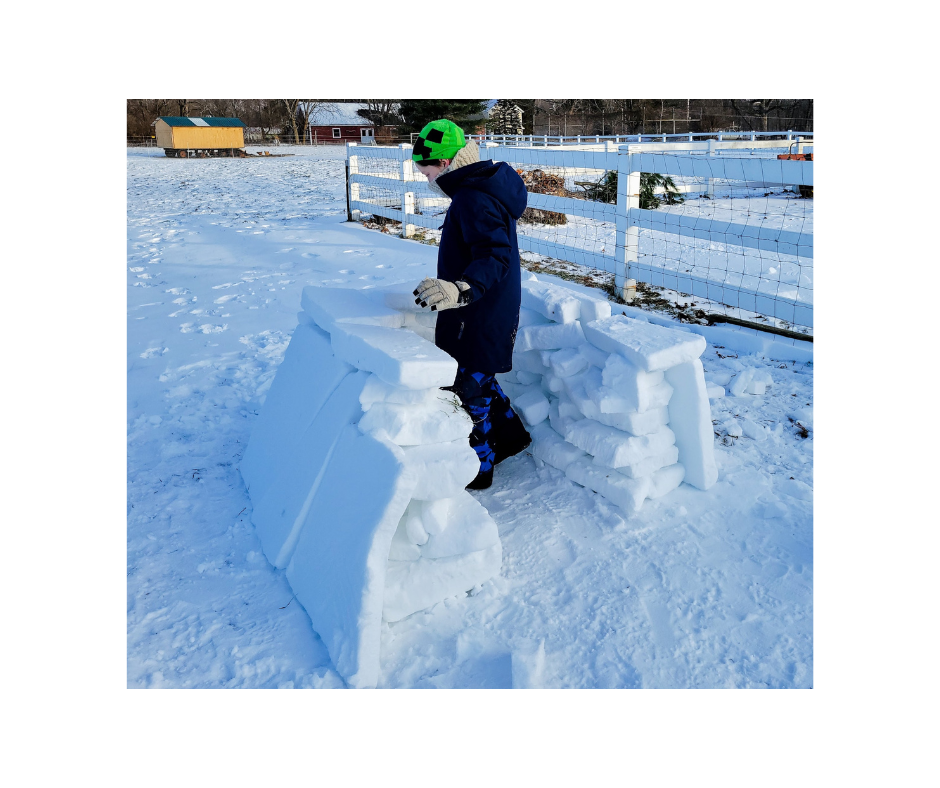
Seven years ago, winter’s wind whipped across deep powdery snow and turned it into something unexpected—a strong, crusted, architectural material.
Under my son’s boots, the footing was much different. He was curious before I was.
He crouched, examined it more closely, and discovered nearly two inches of crust. A few minutes later, he had his carpenter’s saw in hand and was cutting the snow into blocks to make a fort.
It was a quiet reminder that we learn by doing.
With space, time, and a muse, curiosity naturally flows.
It’s easy to forget we already know how to slip into learning through curiosity.
As adults—we’re responsible, capable managers that know what’s right.
We control. We push. We expect certainty before we begin.
Then, when fear shows up, we assume something has gone wrong.
But fear is one sign that curiosity and growth are close by.
It’s been true for me—especially on the farm.

Emmanuel and the Night Fear Taught Me Something New
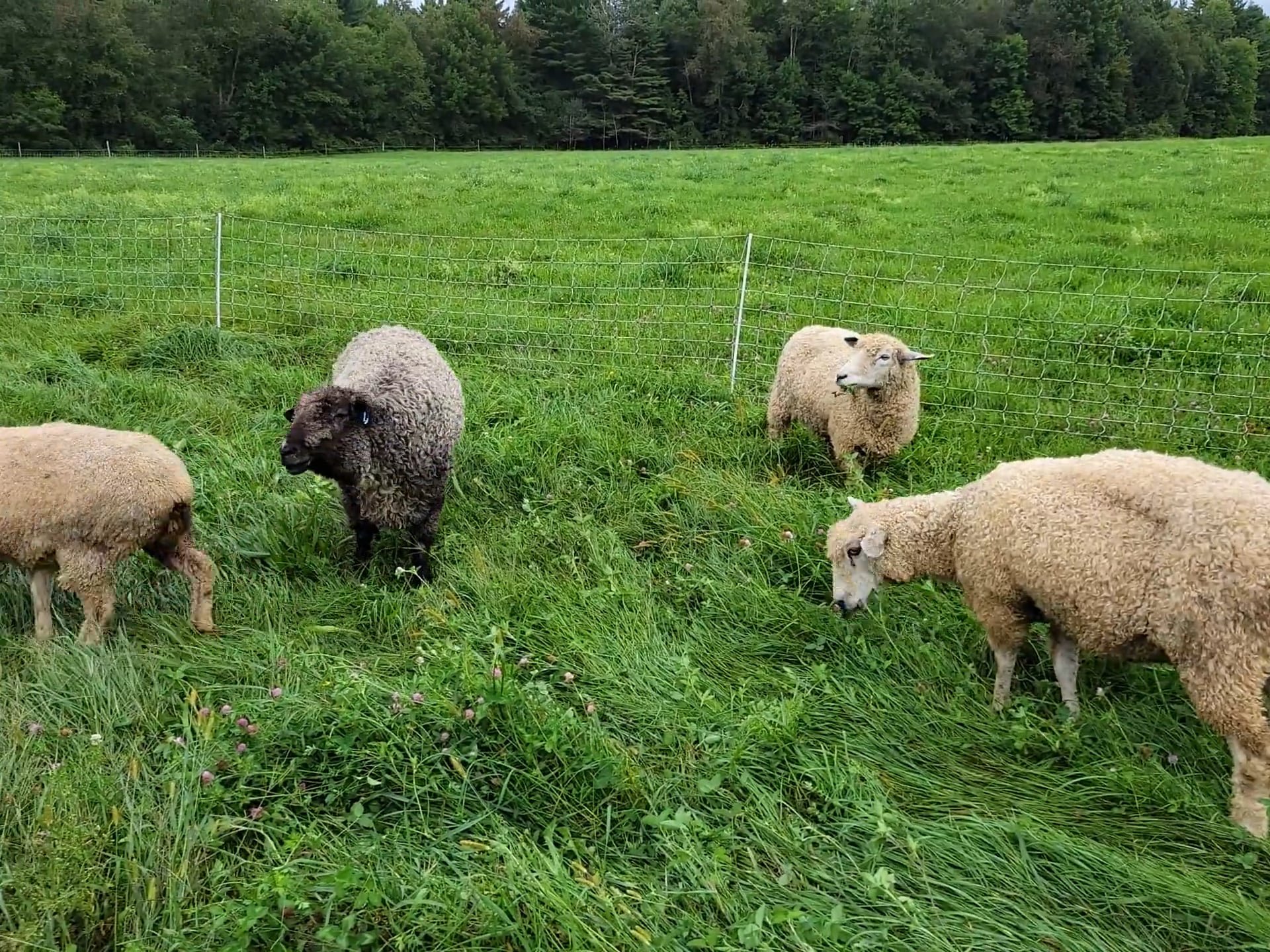
Emmanuel was a Lincoln sire ram we had four years ago. He was the biggest and most powerful sheep on our farm.
He was friendly, had great dreadlocks, and liked his cheek scratched. His stature and unmistakable presence commanded respect.
Even though I’d handled him with confidence, one day he rammed me. I wasn’t hurt, but I was shaken. That’s when I started untangling an old problem I faced: feeling afraid and out of control.
As luck would have it, a few nights later, Emmanuel pushed open a gate latch and joined the ewes who were separated to prepare for their new lambs. He was excited, sweaty, and trying to breed anything standing still.
It was unusual for me, but I noticed that I thought:
This shouldn’t have happened.
He’s dangerous.
I’m not sure if I can handle this.
To clarify…these thoughts weren’t unusual for me. I had them all the time. It was unusual because I noticed them.
And, I noticed, recognized, and allowed I was scared. This was also unusual. Again, not because I’m always brave. I simply witnessed my fear separately.
Awash in fear, I blamed myself for being exposed and vulnerable.
Here, vulnerability wasn’t enough—I had to be courageous as well.
So what happened?
I sorted the sheep slowly using gates and alleys in the barn. I took a deep breath and slipped a halter behind his ears and under his chin.
He pulled back and my fear surged again.
I tied Emmanuel to a post while I breathed and made myself brave by naming what I was afraid of:
Of course he pulled back to stay with these beautiful ewes. Nothing’s gone wrong.
I reassured myself with thoughts like:
“I’ve got this. I do hard things. It’s OK.”
Finally, I shut out the ewes, checked my gates, and led Emmanuel to his quarters.
As I walked with him in the dark, something shifted. My fear softened, and I noticed I breathed more calmly, relaxed a bit, and stopped viewing this as a fight between us.
I allowed it all to be just as it was… a shepherd taking charge of the powerful Emmanuel with his own instinctual drives.
I made an honest and clear connection with myself as capable, powerful, and strong.
Doing Hard Things on the Farm:
Finding Courage and Confidence When Fear Shows Up
There are almost always spiritual moments like this in our daily lives.
You don’t need to get sheep to experience them! The names and words in conversations and with ourselves imply meaning, like Emmanuel does.
I felt lucky when I won the high bid at auction and he came to our farm. His name meant God with us to me. Likely, it held meaning with the breeder who named him.
On that dark December night in Advent, I transformed in a journey of personal growth. His name guided me.
I walked alongside fear and changed into a Courageous and graceful person– a bright light on a dark night.
It happened without any diminishment of Emmanuel. We walked together and it was beautiful.
I know how paralyzing fear can be.
For a long time, I tried to be everything at once—the sales lead, the farm laborer, the person watching the numbers—while quietly fearing I would drop one of the many balls I was juggling.
““Nothing had gone wrong — I was just doing something brave.””
What I’ve learned is this: the real shift doesn’t come from choosing the easiest or most familiar path. It comes from rooting yourself in your values and trusting yourself even when the outcome is uncertain.
Fear can’t—and shouldn’t—be eliminated. It’s a messenger. The practice is learning how to allow it without letting it take over. That means slowing down long enough to discern whether fear is pointing to real danger or simply reacting to something new.
Caring—for land, animals, and people — doesn’t require emotional armor. It requires presence.
And here, you can see that care and courage don’t cancel each other out. They exist together.

Care and courage coexist
When I imagine myself as my own best friend, I’d tell her:
Take the time you need to pause and breathe. Fear isn’t proof you’re failing—it’s part of doing things that you value and care about.
Trust yourself, especially when the path ahead isn’t clear. You don’t need full confidence to take the next right step. Stay in your body. Keep moving forward without abandoning yourself.
Meet hard moments with tenderness and resolve. It’s okay to feel this way. Let bravery and love share the air.
Give yourself grace. You’re allowed to move at the pace of trust.
You’re not behind. You’re here—right where you should be…and that’s enough.